

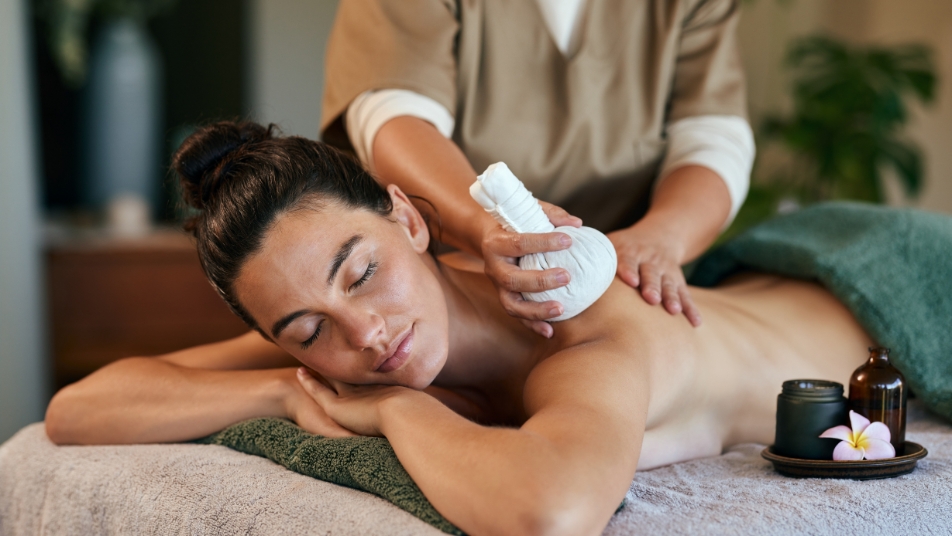
Wellness is becoming a more meaningful part of the way people travel.
What was once largely associated with massages, beauty treatments and quiet treatment rooms is expanding into something broader: longevity, recovery, sleep, personalized wellness, medical aesthetics, technology and increasingly social forms of wellbeing.
In 2024, the global spa industry included an estimated 201,861 spas generating US$157 billion in revenue, compared with 71,800 spas and US$47 billion in 2007. (globalwellnessinstitute.org)
For hotels and resorts, the question is no longer simply whether a property should have a spa.
It is becoming more important to ask: What should wellness feel like here and what role should it play in the guest journey?
In Bali, where nature, culture, hospitality and wellbeing already sit naturally alongside one another, that question feels especially relevant.
How Spa and Wellness Are Changing
Several movements are shaping the industry in 2026:
- medical spas and aesthetics
- longevity and preventive wellness
- more personalized treatments
- wellness technology
- sleep and recovery
- thermal bathing and contrast therapy
- social wellness
Behind them is a broader shift.
Guests are looking for experiences that feel more personal, more intentional and, in some cases, more measurable.
Yet this does not mean every spa needs to become clinical.
For many properties, the opportunity lies not in adding more technology or more treatments, but in creating a clearer point of view around wellbeing.
From Treatment to Experience
Therapeutic bathing has been part of human wellbeing for thousands of years. Mineral-water traditions developed across Roman, Ottoman, Japanese, Nordic and other cultures, while balneotherapy has a documented history extending more than four millennia.
Over time, spa culture gradually moved away from its therapeutic roots and closer to leisure, beauty and hospitality. By the late twentieth century, hotel spas and day spas had become familiar expressions of relaxation.
Today, those worlds are beginning to overlap again.
Wellness, hospitality and healthcare are increasingly meeting at the edges particularly in luxury wellness, longevity and medical aesthetics.
The result is not one new definition of the spa, but a much wider spectrum of possibilities.
Medical Spas Continue to Expand
Medical spas are among the fastest-growing parts of the sector.
The global medical spa market was valued at approximately US$24.2 billion in 2025 and is projected to reach around US$78.2 billion by 2033, representing a CAGR of 15.9% from 2026 to 2033. (grandviewresearch.com)
Depending on local regulations, these facilities may combine familiar wellness experiences with advanced skin therapies, laser treatments, injectables, diagnostics or medically supervised programs.
For hospitality brands, however, this is an important distinction.
Clinical wellness is not simply a more premium spa menu.
It may bring different responsibilities around practitioners, governance, insurance, consent, data and licensing.
For many hotels, the more relevant question is not whether to become medical, but how far along the wellness spectrum the property genuinely needs to go.
Longevity Meets Everyday Wellbeing
Longevity has become one of wellness's most visible themes.
At the premium end of the market, guests are increasingly interested in sleep, recovery, nutrition, body composition, biomarkers and how they feel beyond the treatment itself.
But longevity does not always need to look highly clinical.
For hospitality, it can begin with much simpler ideas:
better sleep, thoughtful movement, nourishing food, time outdoors, recovery and a more considered rhythm of stay.
This is perhaps where the trend becomes most relevant to hotels.
Guests may appreciate data and technology, but they still respond to something more fundamental:
feeling understood.
Personalization Becomes the New Luxury
Technology is making personalized wellness easier.
AI-assisted skin analysis, wearables and digital assessments can help create more tailored experiences.
Yet some of the most meaningful personalization does not require complex technology.
It may simply come from knowing that a returning guest prefers an evening treatment, remembers a particular therapist, sleeps poorly after a long flight or wants something restorative rather than intense.
For hotels, personalization can begin with:
- better pre-arrival conversations
- guest preference history
- thoughtful treatment recommendations
- seamless booking
- attentive follow-up
Technology works best when it quietly supports the human experience rather than becoming the experience itself.
The Rise of Recovery and Rest
Wellness is also moving beyond beauty.
Sleep, mindfulness, stress management and recovery are becoming more visible across hotel and spa programming.
This is appearing through meditation, restorative movement, breathwork, sauna, recovery treatments and quieter spaces designed around rest.
The strongest experiences often avoid making exaggerated wellness claims.
They focus instead on something guests immediately understand:
rest well, slow down, recover and leave feeling better than when you arrived.
Wellness Becomes More Social
Thermal bathing is also seeing renewed attention.
Between 2020 and 2025, the Global Wellness Institute recorded 365 new thermal bathing projects, with more than 250 additional developments in the pipeline.
Alongside traditional spas, a new generation of saunas, bathhouses and contrast-therapy spaces is making wellness more communal.
This matters for hospitality.
A traditional treatment room serves one guest at a time.
Shared wellness spaces can create reasons to stay longer, return more often and experience the property differently.
They may also open additional opportunities through:
- day access
- memberships
- wellness programs
- events
- food and beverage
- retail
- local community engagement
In this model, wellness becomes less of an amenity and more of a place in its own right.
What This Means for Bali
Bali welcomed 6,948,754 direct international visitors in 2025, up 9.72% from 2024. Australia remained its largest international market, contributing 23.44% of arrivals. (bali.bps.go.id)
Yet wellness in Bali is not one single market.
Each part of the island carries a different rhythm.
Ubud: Slow, Reflective and Immersive
Ubud naturally lends itself to retreats, yoga, meditation, nutrition, nature and longer wellness journeys.
Here, wellness often feels most convincing when it is woven into the stay rather than presented as a standalone facility.
Nusa Dua: Refined Resort Wellness
Nusa Dua offers a different setting.
Luxury resort spas, hydrotherapy, couples experiences, beauty, relaxation and personalized programs can sit naturally within a high-service resort environment.
Canggu and Seminyak: Lifestyle and Recovery
In Canggu and Seminyak, wellness meets lifestyle.
Fitness, surfing, recovery, sauna, cold exposure, healthy dining and social wellness can appeal not only to hotel guests, but also to long-stay visitors and local communities.
Uluwatu: Wellness Through Place
In Uluwatu, the landscape can become part of the treatment.
Ocean views, cliffs, sunset rituals and a slower sense of space create opportunities for wellness that feels experiential rather than overly programmed.
The lesson is simple:
wellness in Bali should respond to place.
A concept that feels right in Ubud may feel out of character in Canggu. What works in Nusa Dua may not belong in Uluwatu.
Finding the Right Position
A useful way to think about wellness is as a spectrum:
Relaxation → Recovery → Performance → Longevity → Clinical Wellness
Not every property needs to move to the right.
A lifestyle hotel may find more value in recovery and social wellness.
A retreat property may focus on mindfulness, food and movement.
A luxury resort may build around spa rituals, personalized treatments and hydrotherapy.
What matters most is alignment between:
guest + place + brand + experience + operational capability.
When Wellness Becomes Clinical
In Indonesia, services that move into healthcare require a different level of consideration.
Minister of Health Regulation No. 11 of 2025 sets standards for business activities and services within risk-based licensing in the health subsector. (jdih.kemkes.go.id)
Diagnostics, prescription medication, injections and other medical procedures therefore require appropriate professional and regulatory review.
For hotel owners, the distinction is important: medical wellness is not simply spa wellness with more sophisticated equipment.
Looking Ahead
The spa industry is becoming broader, not narrower.
Some properties will move closer to clinical wellness.
Others will focus on sleep, recovery, social connection or restorative experiences.
Technology will become more present, but so will the desire for warmth, simplicity and human connection.
And this may be the most important shift of all.
Guests do not necessarily want more treatments.
They want wellness that feels relevant to why they travelled, where they are and how they want to feel.
For Bali hotels and resorts, the opportunity is not to follow every global trend.
It is to create a form of wellbeing that feels natural to the place, meaningful to the guest and true to the property itself.
Considering a Spa for Your Boutique Hotel in Bali?
An experienced hotel management company or hotel operator in Bali can help shape a spa concept that reflects your brand, guest profile and the latest wellness trends.
From concept to operations, the right partner can create a spa experience tailored to your property not a one-size-fits-all formula.
Explore Spa & Hotel Management Solutions